Angela
After college, my introduction to public relations was at a wine importer in the Napa Valley. I spent my early professional years immersed in the world of wine, learning how to articulate quality, heritage, and craft across a wide range of producers. It shaped my palate—and my belief that wine should invite curiosity, not intimidation.
Now, that early immersion in wine often reveals itself in subtle ways. At dinners, the wine list finds its way to me; friends ask for recommendations. Even so, I remain convinced that the best wine experiences are the least complicated.
Drink what you like
Do not stress about the perfect pairing for your steak, chicken, veggie skewers, or whatever ends up on the grill. At a barbecue or holiday table, there’s so much going on that something will work.I love how a glass of chilled rosé tastes like summer in a sip, or how a big Napa cabernet can make a quiet evening feel celebratory. The best bottle is the one you’re excited to open.
Find a trusted wine merchant
If you’re grabbing wine at a big grocery store, you’re usually choosing from mass-produced labels. There’s nothing wrong with that, but if you want something more interesting, find a local wine shop with people who actually love what they sell. I’d rather spend the same amount on a smaller producer with a story than grab something flashy off the shelf.
Pro tip: Find a local boutique shop. Walk in and tell them: “I usually like buttery Chardonnays under $30, what do you have from a small producer?” They will love you for it, and you’ll end up with a bottle that actually has a soul (and fewer additives).
Choose your stemware with intention
A well-made glass enhances aroma and flavor, allowing the wine to fully express itself. Skip overly thick or decorative glasses and opt instead for a thin, gently tapered shape. I lean on reliable glasses that don’t overcomplicate things: Spiegelau and Riedel are my everyday picks, while Waterford always delivers something beautiful for holidays or celebrations.
Serve wine at the correct temperature
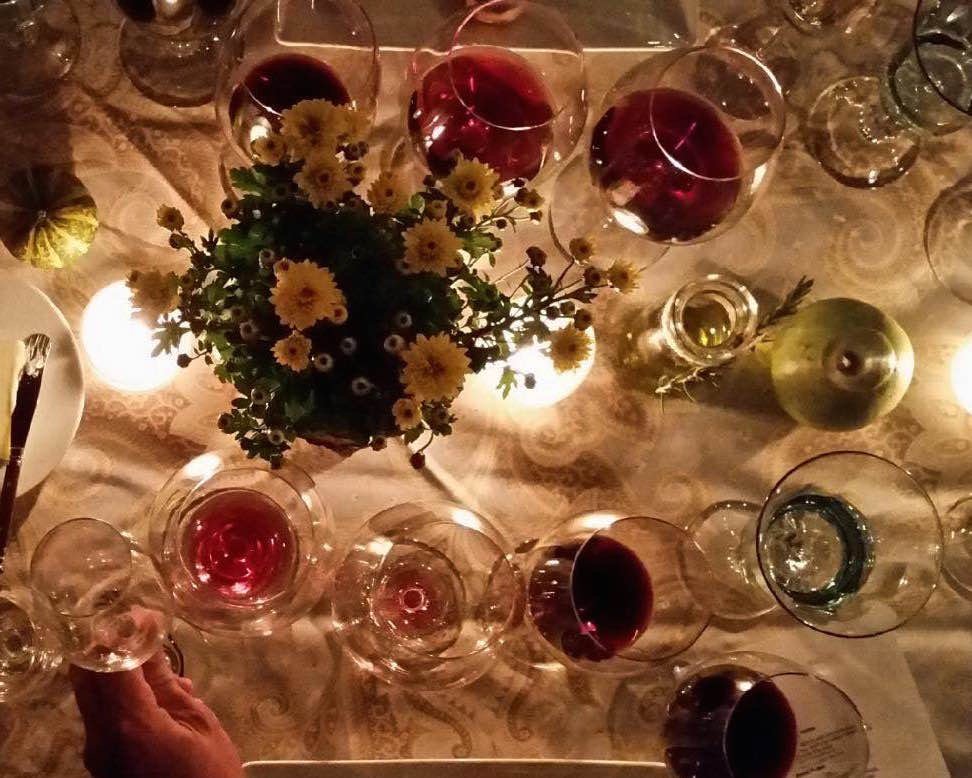
Please don’t put ice cubes in your Chardonnay (unless it’s actually sangria). Wine that’s too warm tastes boozy; wine that’s too cold tastes flat. You don’t need a thermometer—just remember: whites slightly chilled, reds not hot-to-the-touch warm. If you want to nerd out, Wine Spectator has great guides.
Almost always decant your red wines
Decanting sounds fancy, but it’s really just about letting the wine breathe. Pouring your red into a decanter 30–45 minutes before dinner helps it taste more open, alive, and expensive. No decanter? Open the bottle early. Similar effect, less effort.
Pro tip: If a wine tastes a bit ‘tight’ or harsh right after opening, give it a vigorous swirl in the decanter (or glass). That extra splash of air is like an instant reset button.
Think outside the box
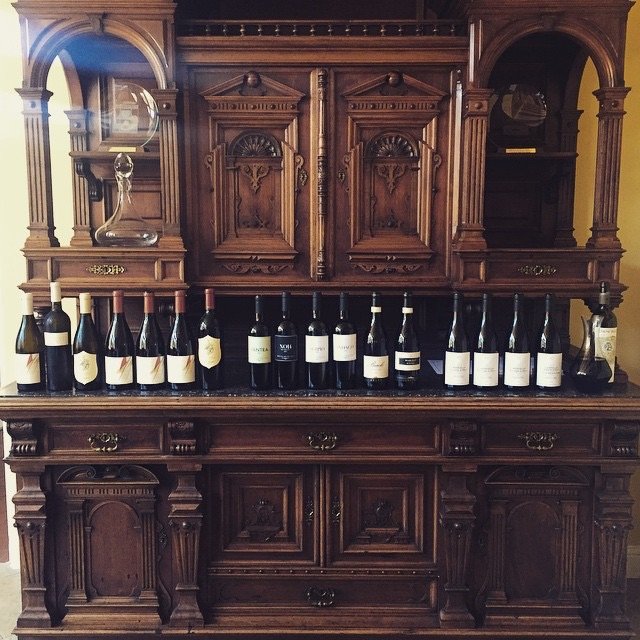
If you’re hosting more than four people, buy a Magnum. It looks chic on a table, but wine actually ages better in larger formats. It’s a built-in conversation starter that says, “I’m glad you’re here, and no, we aren’t running out.”
My time in the wine industry taught me that the best labels aren’t the ones with the highest price tags, they’re the ones with the best stories. Pour what you love, share it generously, and remember that the atmosphere you create is always more important than the vintage you serve.
Note: This page contains affiliate links. As an Amazon Associate, I earn from qualifying purchases. This means I may receive a commission if you click on a link and make a purchase—at no extra cost to you.